
EXPEDITION OVERVIEW
STATUS
SUMMITED
EXPEDITION YEAR
2026
THE STORY
THE FIRST OBJECTIVE
Annapurna was the first 8,000-metre objective of my 2026 Himalayan season.
I flew directly from Mexico City to Kathmandu, arriving on March 10 after climbing Pico de Orizaba and Popocatépetl with Xenia in Mexico.
After a few days in Kathmandu, we flew to Pokhara, drove to Tatopani and spent the afternoon relaxing in the hot springs. The following morning we continued to Hum Khola and began the three-day trek along the Maurice Herzog Trail to Annapurna Base Camp at 4,190 metres.
There was a reason Annapurna came first. It traditionally opens early in the spring season, and with my goal of climbing all fourteen 8,000-metre peaks, I knew it was one I needed to take on.
Everyone knows Annapurna's reputation.
You try not to think too much about it. You focus on the conditions, the route and the job in front of you.
LEARNING THE MOUNTAIN
After a few days settling into Base Camp, Ashok, Dawa and I made our first rotation, carrying tents, equipment and oxygen to Camp 1 before returning to BC.
On April 1, we went back up, sleeping at Camp 1 before climbing to Camp 2 the following morning.
On April 3, we descended from C2 to C1, collected six oxygen cylinders we'd cached there, carried them back up and spent another night at C2.
That night we heard an enormous avalanche below Camp 1.
It completely destroyed the climbing route and took the fixed lines with it. Fortunately, it happened at around 8:30pm when nobody was on that section of the mountain.
Descending the next day, we had to find our own way through where the route had previously been.
It was a very real reminder of where we were.
THE SUMMIT PUSH
On April 15, we left Base Camp and pushed directly to Camp 2 in around seven hours.
The following morning we were the last team to leave C2, departing around 9am with heavy packs for Camp 3.
It was a long, slow day and incredibly hot on the glacier. We were climbing with our down suits pulled down around our waists and every possible vent open.
We finally reached Camp 3 at around 5pm.
At approximately 5pm on April 17, we left C3 for the summit.
The climbing begins immediately, passing through a split serac before gaining roughly 500 metres toward Camp 4. We stopped briefly there for a drink and some food before continuing into the night.
At around 1am, near 7,500 metres, we found a no-O2 climber lying in the snow in serious trouble. She had no gloves on and was barely conscious.
We managed to wake her, gave her Coca-Cola and an energy bar, and told her she needed to descend.
At around 7,600 metres, I went onto supplemental oxygen myself. Our pace had begun to slow and the climbers ahead using oxygen were pulling away.
The rest of the night was long and bitterly cold.
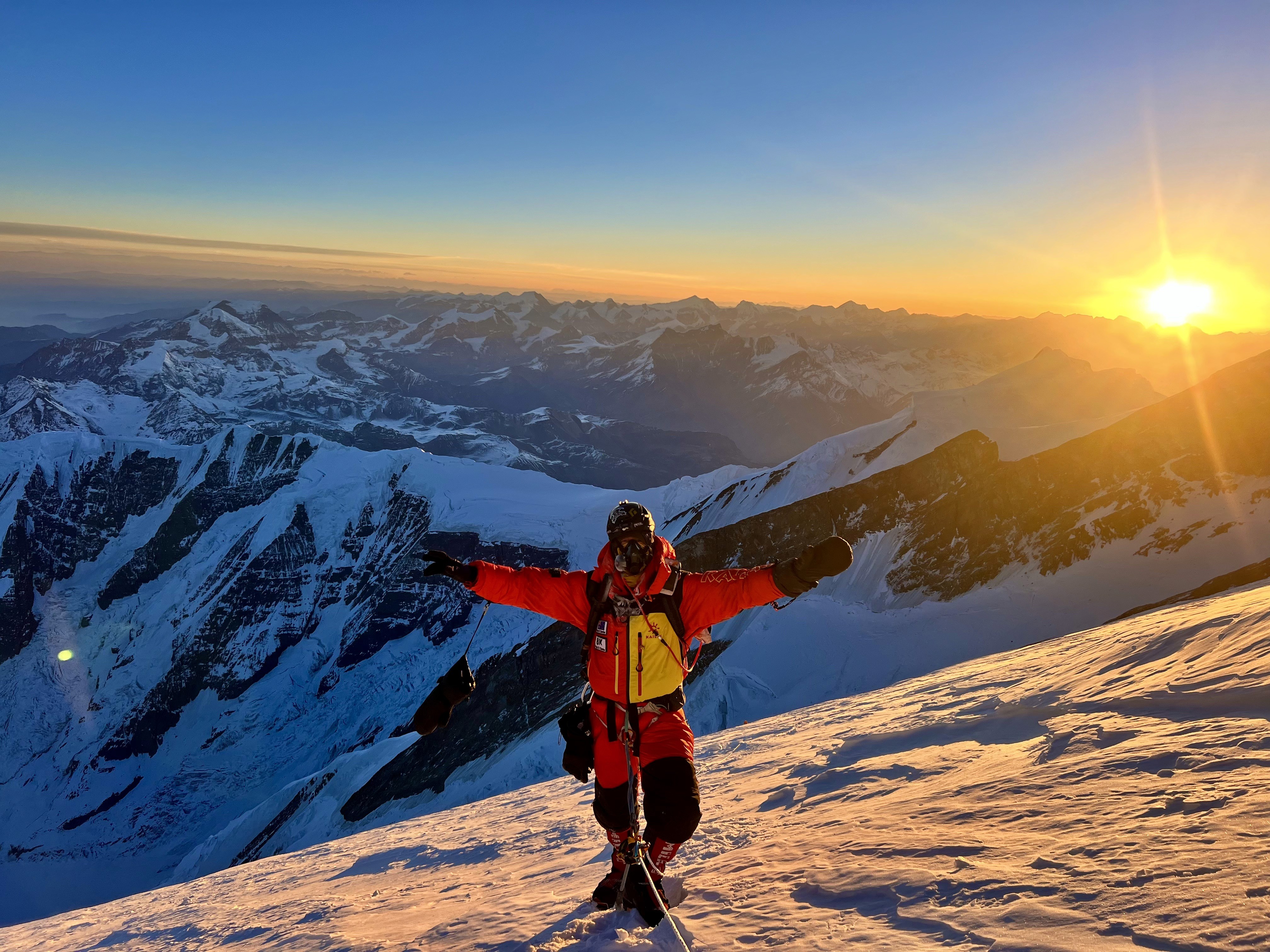
Seeing the first light of dawn was a huge relief.
8,091 METRES
The final climb seemed to take forever.
There were around fifteen climbers ahead of us approaching Annapurna's small summit, so rather than crowd into the same space, we deliberately slowed down and let them begin descending.
Then Ashok and I climbed the final 70–100 metres.
After approximately 17 hours of climbing, at around 10am on April 18, we reached the summit of Annapurna I.
The feeling was incredible.
We'd safely reached the top of one of the world's most dangerous mountains. The sky was clear, the wind relatively light, and sitting astride that tiny summit with Ashok, taking in the view from 8,091 metres, is something I'll never forget.
But we still had a very long way to go.
THE LONG WAY DOWN
The descent wasn't any easier.
After seventeen hours climbing to the summit, our legs were already exhausted. It took another seven hours to descend to Camp 3, arriving shortly after 5pm.
We crawled into our sleeping bags and passed out.
At 6am the following morning, Ashok woke me.
It was time to move again.
We left C3 around 8am and descended quickly toward C2, much of it rappelling.
At C2, we encountered the same climber we'd found in distress above Camp 4 during our summit push.
She was still in serious trouble and suffering from severe altitude sickness.
We immediately put her on oxygen and requested a helicopter evacuation, but we were told it would take three or four hours.
Before it could reach us, the clouds rolled in.
With flying no longer possible, we had no choice but to continue down the mountain while helping two climbers who were struggling.
We eventually reached Base Camp at around midnight.
Then another emergency was unfolding above us.
DAWA
As we'd reached Camp 1 during the descent, we'd received a radio call from Dawa.
He was climbing the following summit window with a Swiss client, and the two of them were alone high on the mountain.
Dawa was lost.
He'd come off the fixed line somewhere above Camp 4 and was asking for help.
There were sections high on Annapurna without fixed rope, and in poor visibility it was possible to make a mistake and lose the route.
Around 9pm, while we were descending below Camp 1, radio contact with Dawa disappeared.
We believed his radio battery had died.
Ashok wanted to turn around and climb back up for his friend. But we were exhausted, already below C1 and helping two other climbers in difficulty.
I convinced him that continuing to Base Camp and using a helicopter to get him back to C3 the following morning would likely get him high on the mountain just as quickly.
At around 6am the next morning, Ashok boarded a rescue helicopter.
It dropped him at Camp 3, around 7,200 metres, effectively the limit of where the helicopter could get him.
From there, Ashok climbed.
He passed Camp 4 and eventually reached around 7,900 metres, searching for roughly four hours.
He was close to giving up when he finally saw Dawa slowly moving down the mountain.
As the sun had risen, Dawa had found enough strength to relocate the fixed lines and begin descending.
Ashok reached him high above Camp 4.
Dawa was exhausted, confused and wasn't wearing gloves. He urgently needed medical attention, but there was no helicopter coming to them at that altitude.
They had to descend to Camp 3.
It took most of the day.
They finally reached C3 at around 6pm, but once again the clouds had closed in and the helicopter couldn't reach them.
They found an old tent abandoned by another team and spent the night inside it.
No food. No sleeping bags. Not even a proper fly on the tent.
At around 6:30 the following morning, the weather finally allowed a helicopter to reach them and bring them back to Base Camp.
After refuelling, I climbed aboard with Dawa for the flight to Pokhara, looking after him until we could transfer him into an ambulance.
He was alive.
But ultimately, Dawa lost seven fingers as a result of the ordeal.
LESSONS FROM ANNAPURNA
Annapurna became my second 8,000-metre summit and one of the biggest accomplishments of my climbing career.
But I left the mountain with much more than another summit.
There were lessons everywhere, the avalanche that erased the route below Camp 1, the climbers we encountered in distress, the enormous summit day, and then watching Ashok climb back into the Death Zone searching for his friend.
Dawa's ordeal showed just how quickly a situation can change on these mountains, and how important teamwork becomes when something goes wrong.
Those lessons stayed with me as I moved on to the next mountains of the season.
And while I'm incredibly proud to have stood on the summit of Annapurna, I'll remember the people and what happened around that summit just as much as standing on top.
FIELD NOTES / PHOTOGRAPHS
FROM THE EXPEDITION

Maurice Herzog trail
The trek in has many beautiful suspension bridges to cross

Maurice Herzog Trail
Ashok and I on day 1 of the trek

Annapurna Base Camp
Spectacular Base Camp
some morings we would wake up to Base Camp covered in snow. It was incredible living under such an amazing mountain.
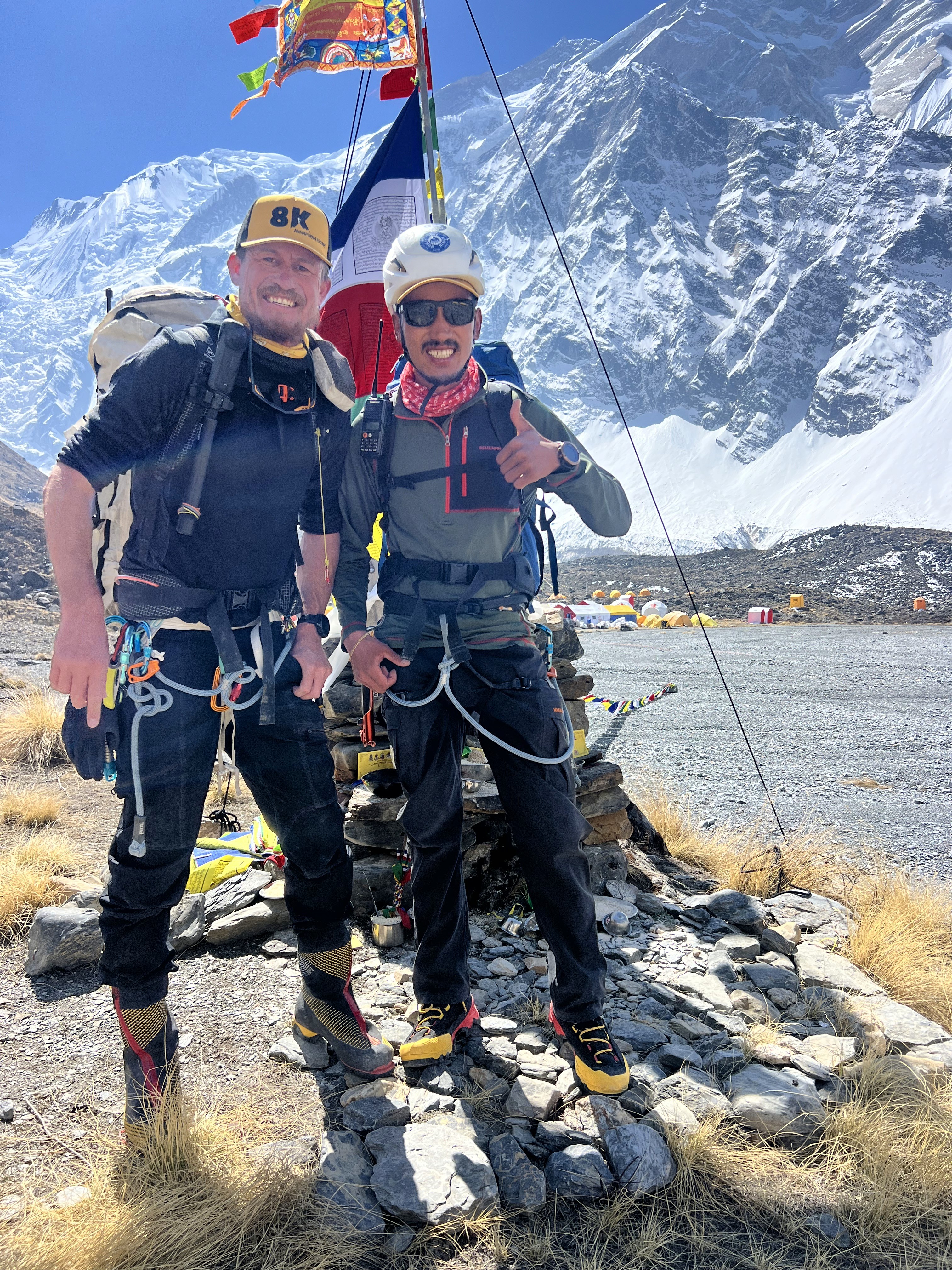
Annapurna Base Camp
Ashok and I
Taken on the morning we departed BC on our summit push,
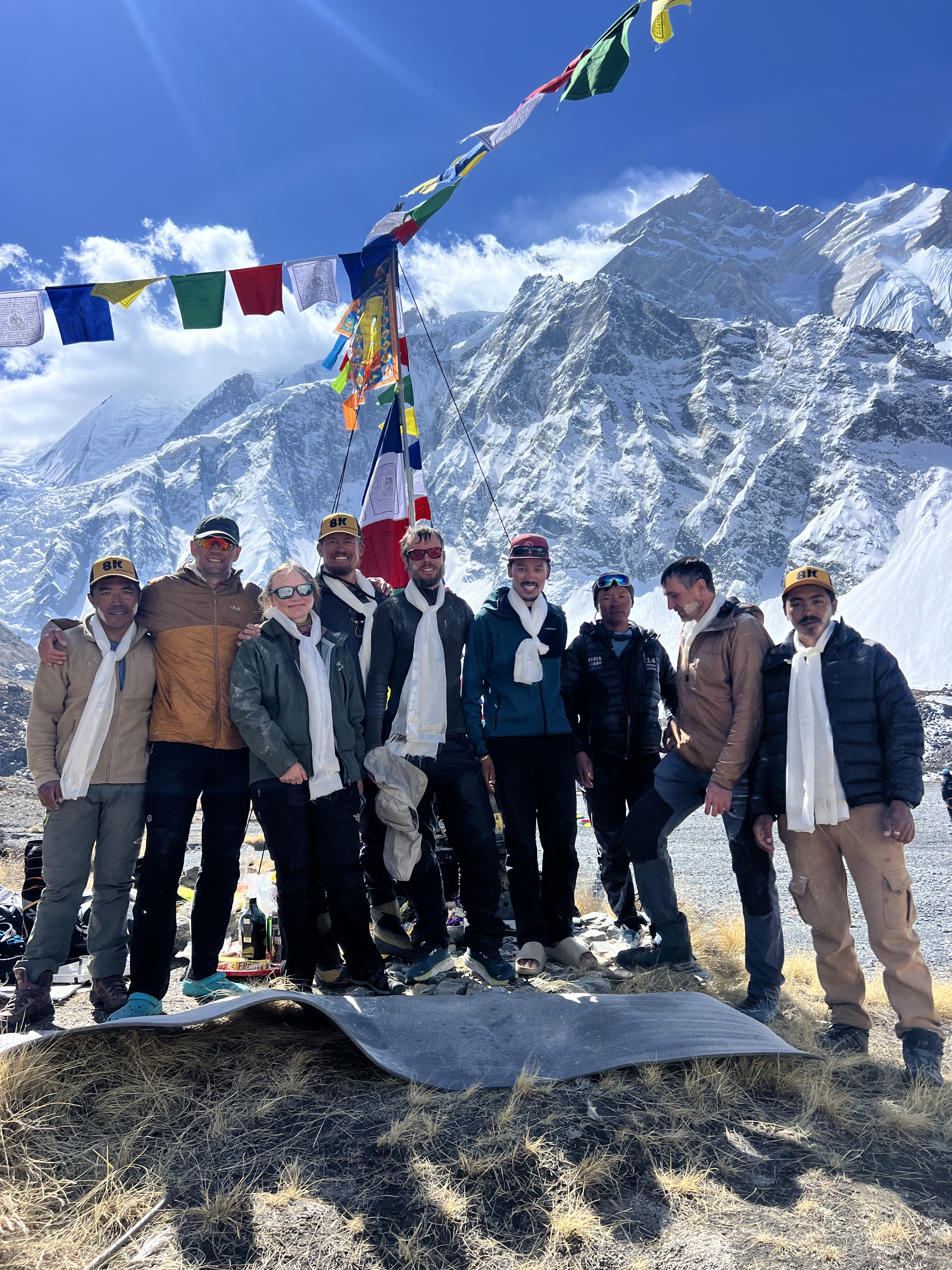
Annapurna Base camp
The Teams all here
This was the full 8k climbing team. Photo taken just after the Puja ceremony the day before we started our summit push.

Annapurna Camp 1
Camp 1
views from C1
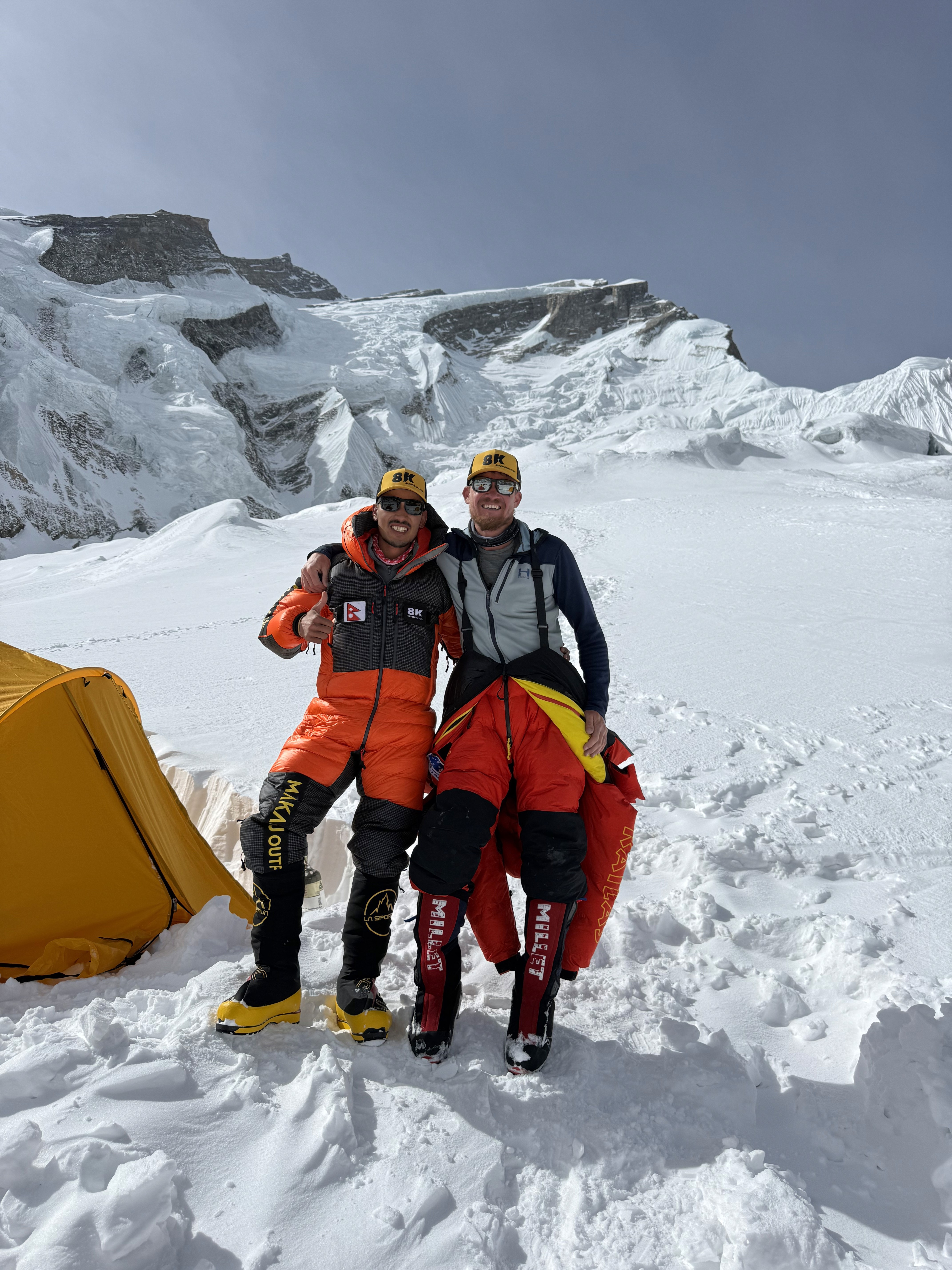
Annapurna C2
Ashok and I C2
Ashok and I enjoying some sunshine in C2

Annapurna Camp 2
Camp 2 views
Camp 2 fully set up

Annapurna 1
Climbing to C3
Somewhere above C2 on the way to C3
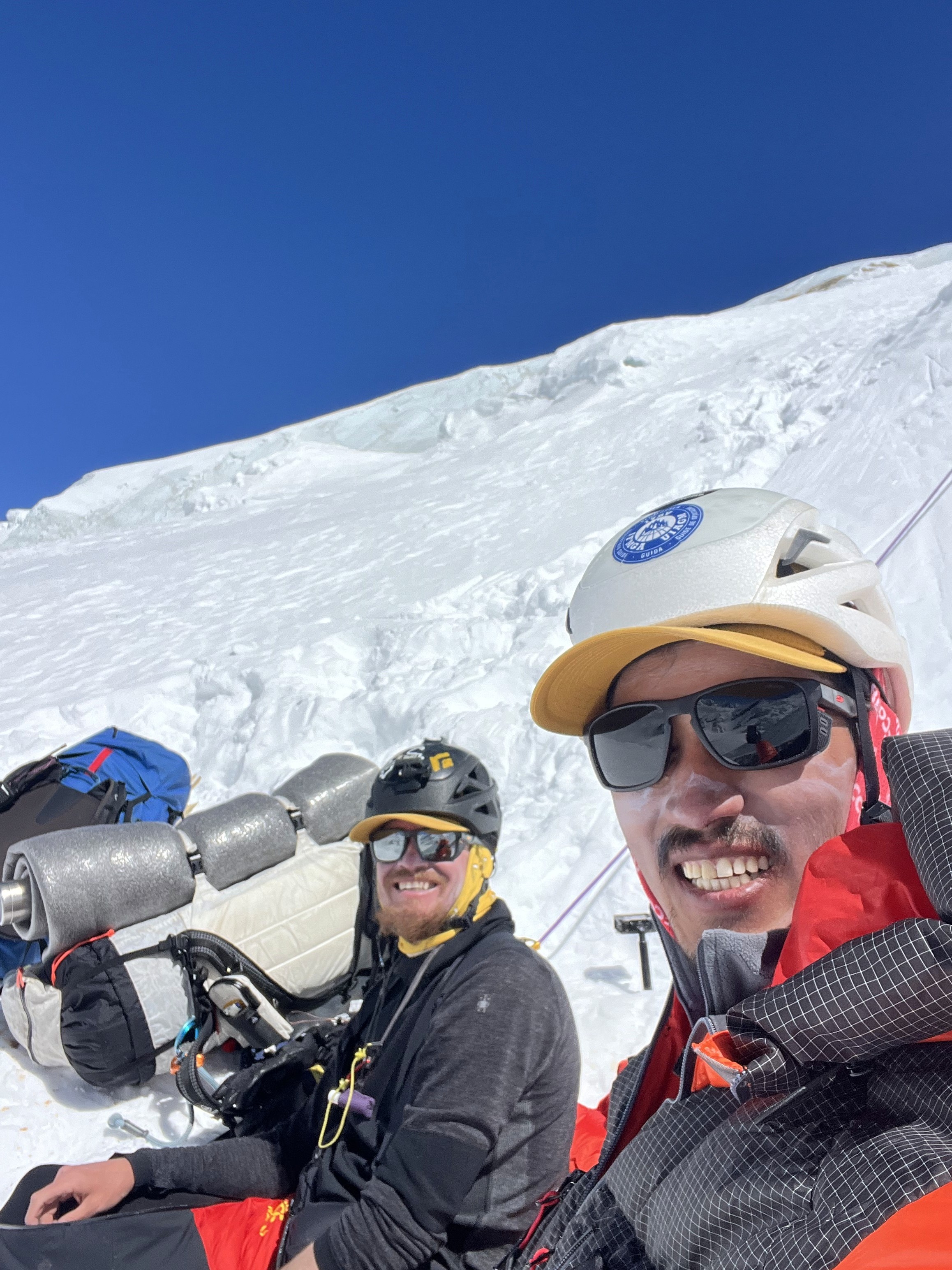
Annapurna 1
The boys!!
Taking a break in the sun on the way up to C#
Annapurna 1
Sunrise from 8,000m
Sunrise on our summit push taken around 8,000m
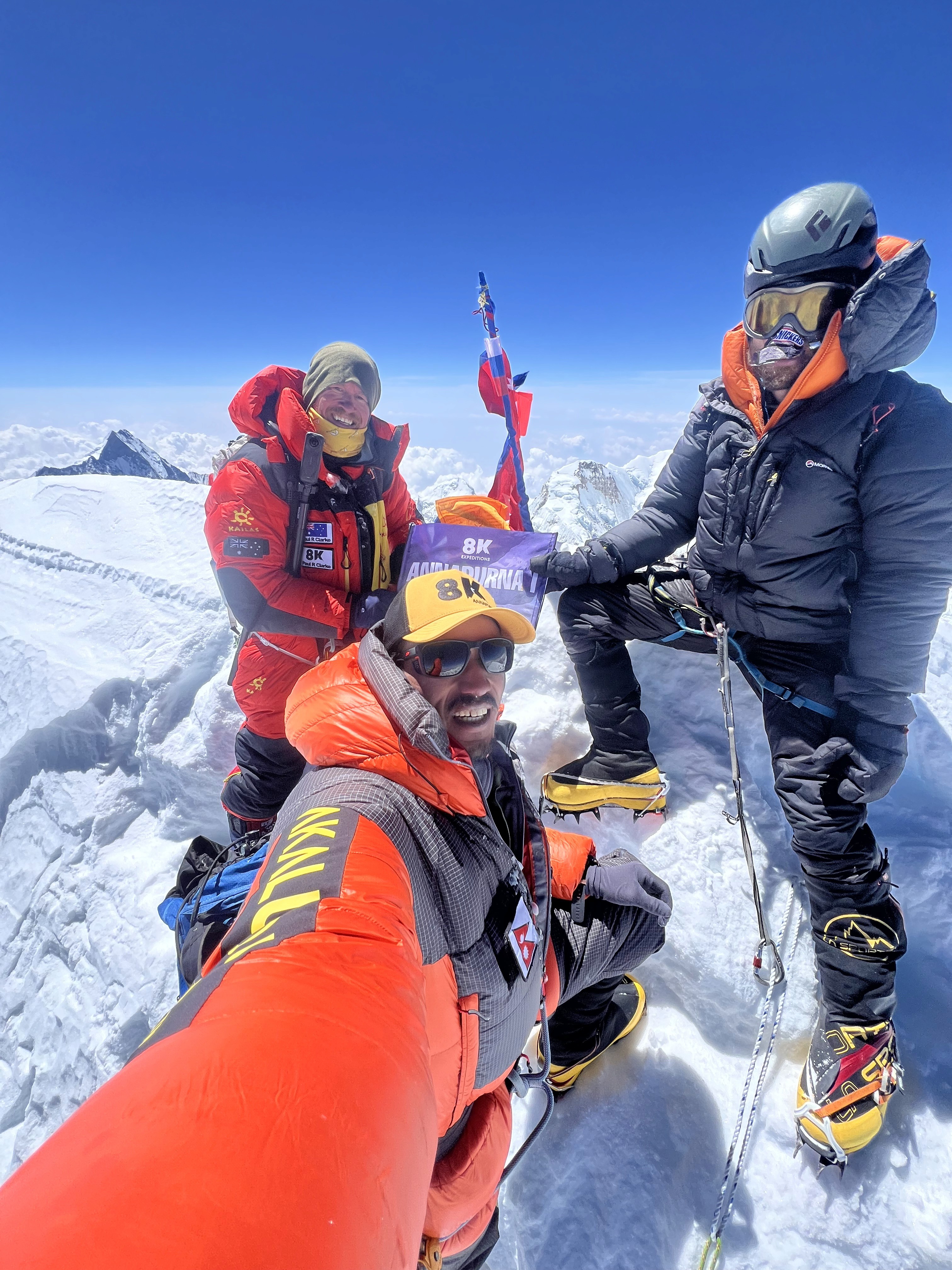
Annapurna 1 Summit
Annapurna 1 Summit!!
Ashok, Andreas and me on the summit of Annapurna 1!

Annapurna 1
Dawa has been found!
We almost last Dawa on Annapurna 1. This was the first picture Ashok sent down when he was found.
MOUNTAIN DETAILS
ALTITUDE
8,091
M
COUNTRY / REGION
Nepal
ROUTE
Normal
OPERATOR / GUIDE
8K
CONTINENT
Asia
MOUNTAIN RANGE
Himalaya
https://youtu.be/YpmlRBd8vhQ
WATCH THE EXPEDITION